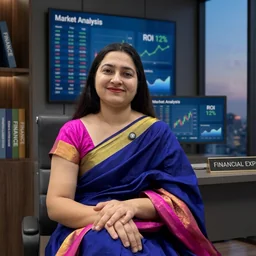
Priyanka — Personal Finance Educator India
Priyanka Personal Finance

Smart Money · Simple Words · India

Emergency Fund India — How Much and Where to Keep It (2026)

Category: Financial Planning · Published 2026-02-19 · by Priyanka

An emergency fund is the first investment. Before SIP, before stocks, before crypto.

How much?

  • Single, stable job: 3 months of expenses.
  • Family + home loan: 6–9 months.
  • Freelancer / variable income: 9–12 months.

Where to park it

  1. High-interest savings account (auto-sweep): instant access.
  2. Liquid mutual funds: same-day redeemable, 6–7% return.
  3. Short-term FD: safer but penalty on early withdrawal.

Never invest your emergency fund in equity — defeats the purpose.

Frequently Asked Questions

How much emergency fund do I need?

3–6 months of essential expenses for stable jobs; 9–12 months for freelancers.

Are liquid funds safe for emergency?

Largely yes — invest in large AMC liquid funds. They are lower risk than ultra-short duration funds but slightly higher risk than savings accounts.

📌 Found this useful? Subscribe to Priyanka on YouTube for 60-second personal-finance tips every week.
📺 Follow Priyanka Finance for Daily Money TipsSubscribe on YouTube @priyankafinance for 60-second tax, SIP & investing videos. Follow on Instagram for daily reels.
YouTube Instagram LinkedIn X
Important Disclaimer: All content, calculators, government scheme details, tax slabs and investment information on this website are provided strictly for educational and informational purposes only. None of the information here constitutes financial, investment, tax, legal or insurance advice. Calculators use simplified models — actual returns, taxes and benefits depend on your individual situation, market conditions, and current law. Mutual fund investments are subject to market risk — please read all scheme-related documents carefully. Government scheme rules, eligibility limits, interest rates and tax slabs may change. Always verify the latest information on official websites and consult a SEBI-registered investment advisor, a chartered accountant for tax matters, and an insurance advisor before taking any financial action. We make no warranty as to the accuracy or completeness of the information and accept no liability for any loss arising from its use.